Modern Technology used in Outsource Creative Works
Posted on : Sep 17, 2025
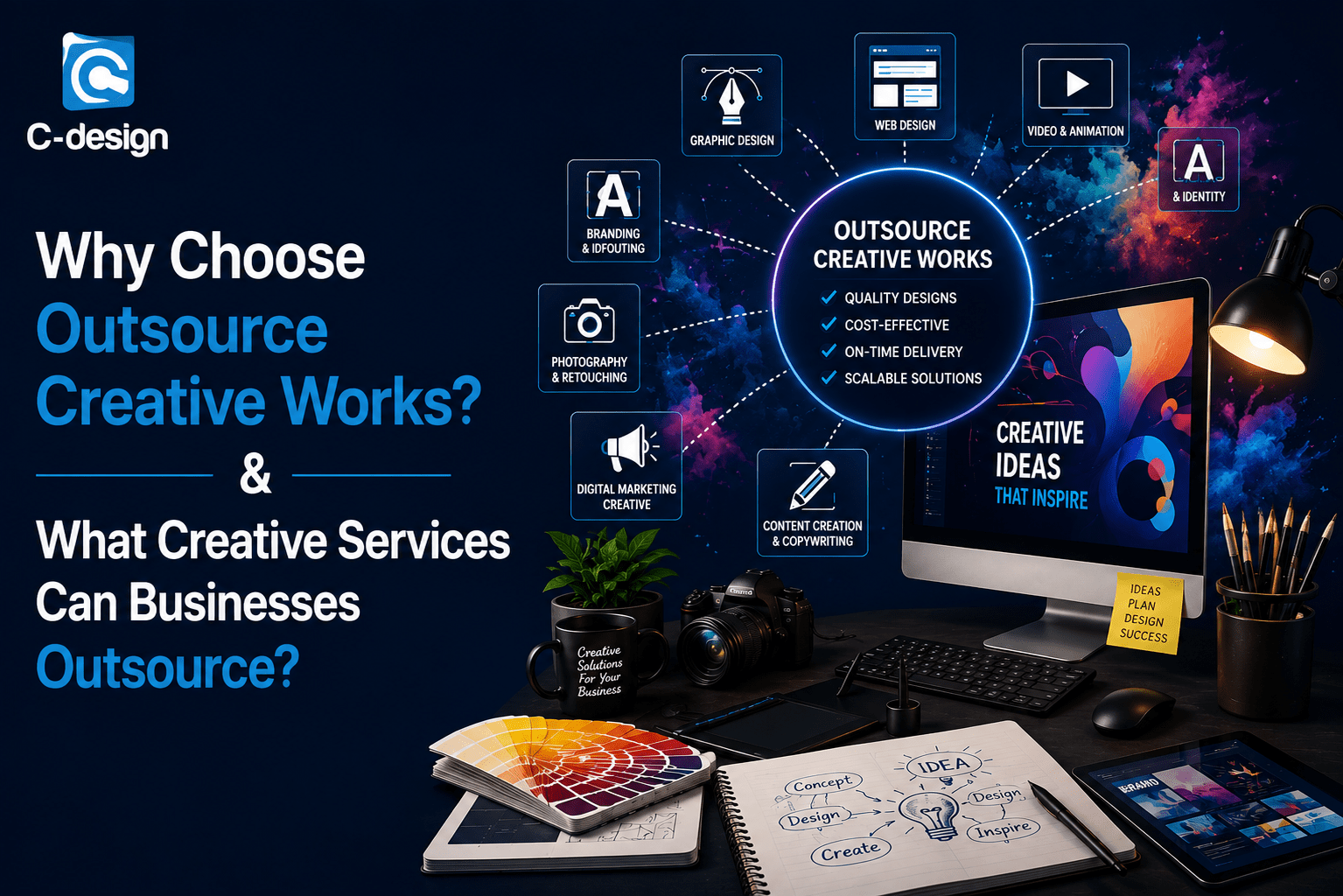
In the dynamic world of business, creative output is the lifeblood of a brand’s identity and a primary driver of its success. For years, businesses faced a critical strategic choice: hire a costly, in-house creative team or outsource the work to an external firm. The traditional perception of outsourcing often came with concerns about communication breakdowns, lack of control, and slower turnaround times. It was viewed as a simple labor-for-hire model, a way to cut costs at the expense of seamless collaboration.

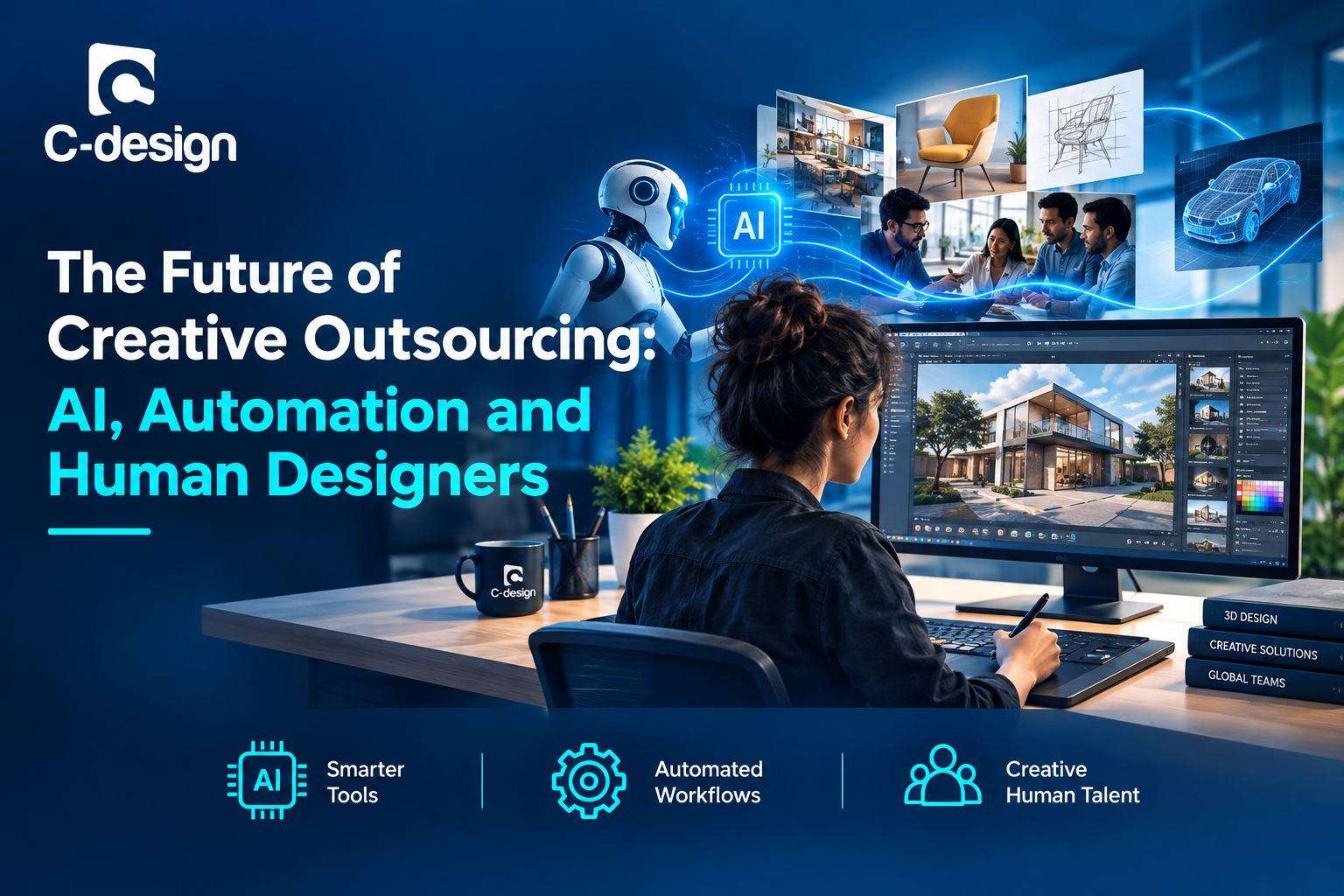
However, that paradigm is now a relic of the past. The modern creative outsourcing industry has undergone a profound transformation, driven by an array of cutting-edge technologies that have fundamentally reshaped how creative work is conceived, executed, and delivered. Technology is no longer a peripheral tool; it is the central nervous system of a modern outsourcing firm, enabling a level of collaboration, efficiency, and quality that was once unimaginable.
At OutsourceCreativeWorks.com, we have long understood that our value lies not just in our creative talent, but in our ability to leverage the latest technological innovations to serve our clients. We use these tools to build a seamless, transparent, and highly productive partnership with every brand we work with. This comprehensive guide will explore the top modern technologies that are transforming the creative outsourcing industry, demonstrating why this model is now the superior choice for any business looking to thrive in the digital age.
Part 1: The New Paradigm – Why Technology is the Differentiator 🚀
The traditional outsourcing model was often limited by the tools of the time. Communication was reliant on email chains and phone calls, file sharing was clunky and insecure, and project management was often a reactive process of putting out fires. This created a perception of a disjointed, “hands-off” relationship.
Today, technology is the key differentiator that elevates a creative outsourcing firm from a simple vendor to a strategic partner. It solves the core pain points of the past, creating a workflow that is more integrated and efficient than a traditional in-house team. By leveraging modern tools, an outsourcing firm can offer:
- Real-time collaboration: Breaking down geographical barriers and allowing for seamless, simultaneous work on a single file.
- Unprecedented transparency: Giving clients a real-time view of project progress, deadlines, and feedback.
- Enhanced security: Ensuring that sensitive creative assets are shared and stored securely.
- Accelerated timelines: Drastically reducing the time it takes to go from a creative brief to a final, polished asset.
For a business, this means the advantages of outsourcing—cost-efficiency and access to a global talent pool—are now combined with the advantages of an in-house team—direct control and seamless communication.
Part 2: The Top Technologies and Their Transformative Role 🛠️
The impact of modern technology on the creative outsourcing industry is multi-faceted, touching every single stage of a project’s lifecycle, from initial ideation to final delivery.
1. Cloud-Based Collaboration Platforms 🤝
For years, the creative process was a linear one. A designer would work on a file, save it, and email it to the client for feedback. This often led to a confusing trail of file versions and a slow, disjointed feedback loop. Cloud-based collaboration platforms have completely revolutionized this.
- How It Works: Platforms like Figma and Miro allow for real-time, simultaneous work on a single creative file. For a UI/UX project, a designer and a client can be logged into the same file, with the client leaving comments and the designer making live changes. For a brainstorming session, a team can use a virtual whiteboard to share ideas, sketches, and mood boards in real-time.
- The Benefit: This eliminates the need for endless email chains and the confusion of multiple file versions. The feedback loop is instantaneous, allowing for faster iterations and a deeper level of collaboration. It creates a sense of a shared, transparent workspace, making the client feel like a direct extension of the creative team.
2. Advanced Project Management and Communication Tools 🗓️
Effective project management is the backbone of any successful creative project. In the past, this was often handled with spreadsheets, Gantt charts, and a flood of emails. Today, powerful software has centralized and streamlined this entire process.
- How It Works: Platforms like Asana and Monday.com provide a centralized hub for all project-related tasks. A client can see the project timeline, track the progress of specific tasks, and see which team member is working on what. Communication tools like Slack create dedicated channels for a project, allowing for instant messaging and the sharing of quick feedback or questions without the formality of an email.
- The Benefit: These tools provide unprecedented levels of transparency and accountability. Clients can see exactly where a project stands at any given moment. They can provide feedback directly on a specific task and receive instant updates. This builds trust and ensures that the project stays on schedule and on budget, eliminating the anxiety that can often accompany a traditional outsourcing relationship.
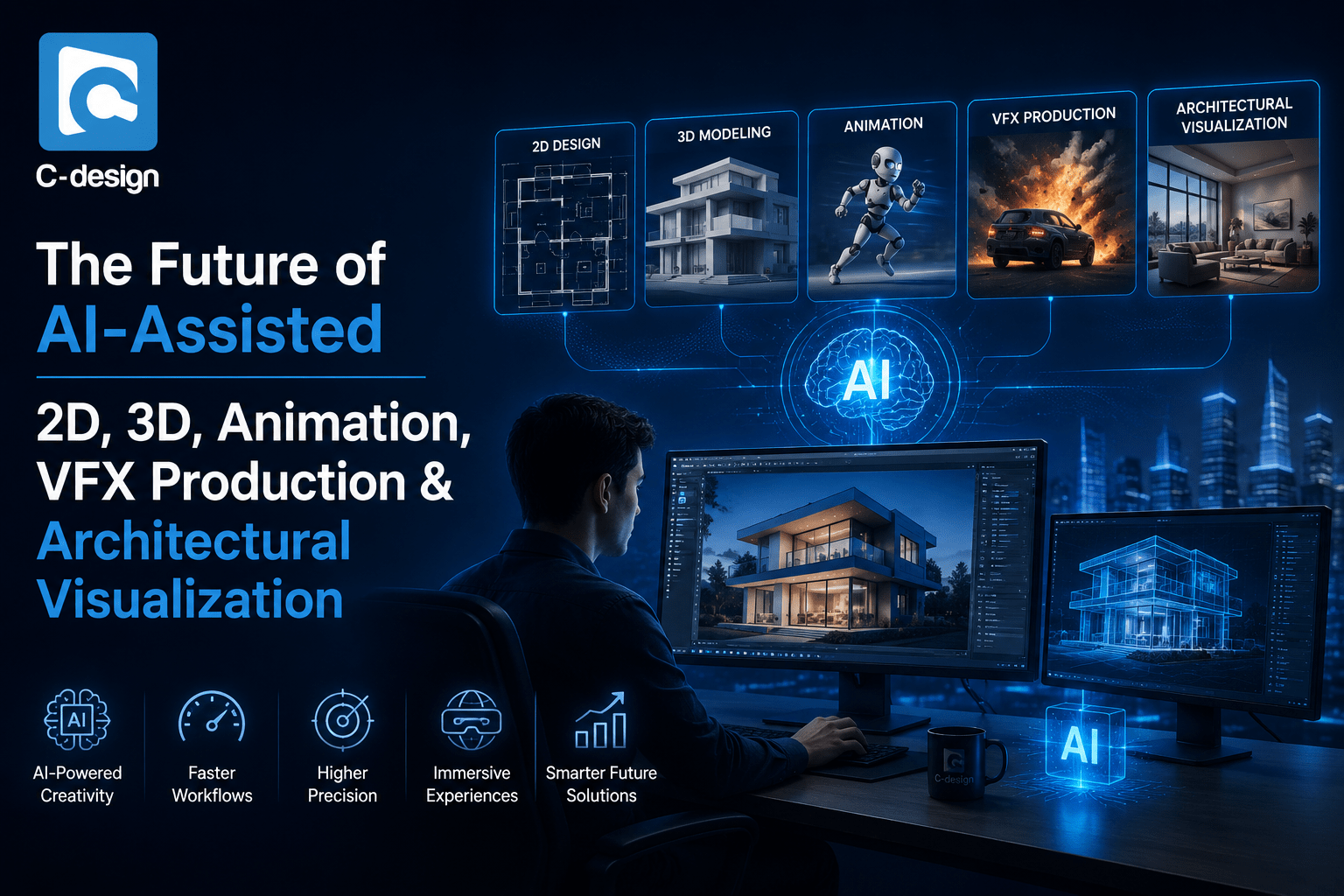
3. AI and Generative Design Tools 🎨
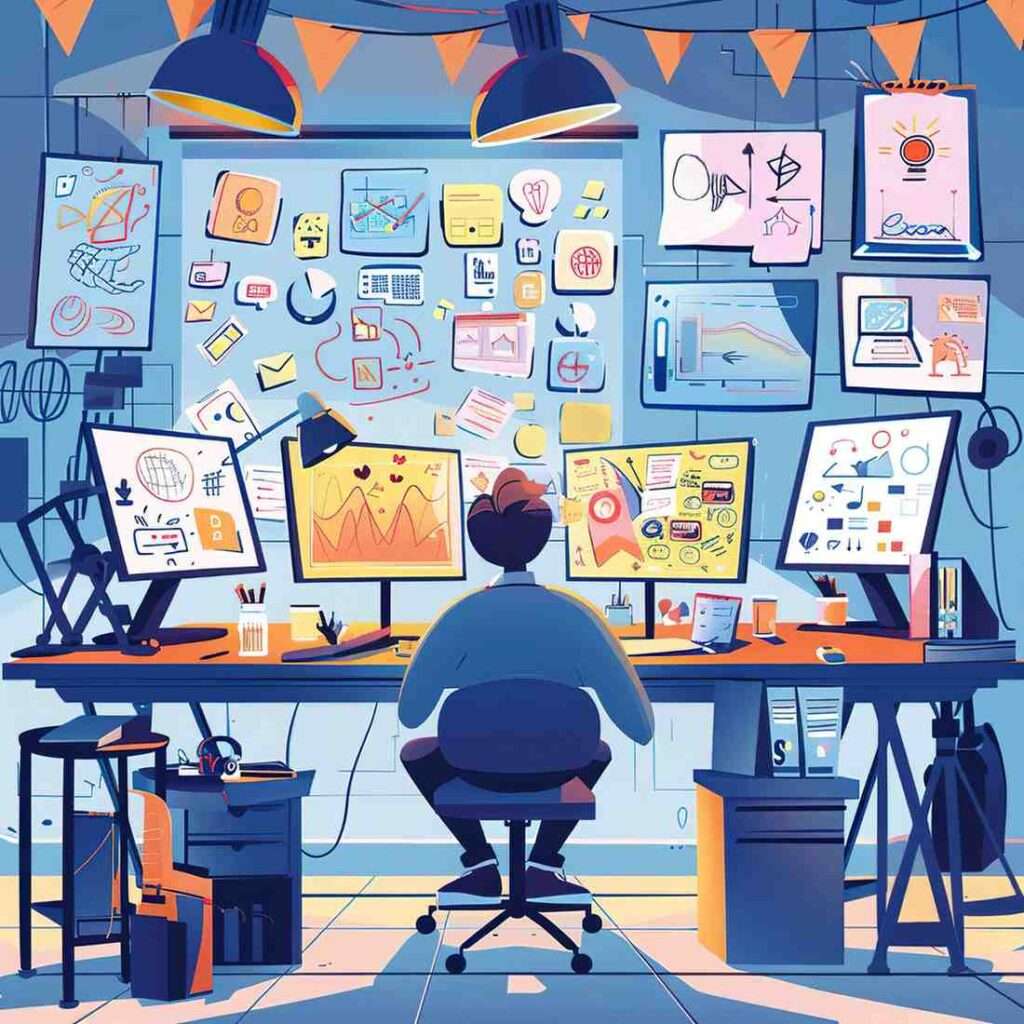
AI is not a buzzword; it is a foundational technology that is fundamentally reshaping the creative workflow. While it is not replacing human creativity, it is acting as a powerful assistant that automates and accelerates a wide range of tasks.
- How It Works: AI models can be trained on massive datasets of images, videos, and creative assets. An AI can then be used to assist with everything from initial ideation to final production. A creative director can use an AI to generate a mood board from a text prompt. An e-commerce brand can use an AI to automatically remove the background from thousands of product photos. A marketing team can use an AI to create hundreds of personalized ad banners, each with a slightly different image or headline.
- The Benefit: This allows a creative team to work with unprecedented speed and efficiency. It automates repetitive tasks, freeing up human designers to focus on high-level, strategic work. It also enables a level of personalization and scalability that would be impossible to achieve manually, allowing a brand to create a massive volume of unique creative assets for a single campaign.
4. Secure File Transfer and Asset Management Systems 🔒
Creative projects often involve the transfer of large, high-resolution files, from 3D models to 4K video footage. In the past, this was often a clunky, time-consuming, and insecure process, relying on shared folders and unreliable transfer services.
- How It Works: Modern outsourcing firms use robust, cloud-based file transfer and asset management systems like Dropbox Business, WeTransfer, and dedicated Digital Asset Management (DAM) platforms. These systems are optimized for the transfer of large files and provide an extra layer of security with password protection and expiration links. A DAM system goes a step further by creating a centralized, searchable library of all creative assets, making it easy for both the client and the outsourcing team to find and reuse a file.
- The Benefit: This eliminates the frustration of slow file transfers and versioning issues. It also provides peace of mind, as clients can be confident that their sensitive creative assets are being handled securely. It creates a well-organized workflow, allowing for efficient collaboration and reuse of assets across multiple projects.
5. Real-Time Rendering and Visualization Engines 🖼️
In the world of 3D and visual effects, a single photorealistic render can take hours or even days to generate on a traditional computer. This created a significant bottleneck in the production workflow, as a client would often have to wait a long time to see a single image.
- How It Works: Technologies like Unreal Engine and NVIDIA Omniverse have revolutionized this with real-time rendering. These powerful engines allow a 3D artist to create a photorealistic render in a matter of minutes, as opposed to hours. A client can provide feedback on a design, and the artist can make a change and render a new image almost instantly.
- The Benefit: This dramatically accelerates the production timeline for any project involving 3D or visual effects. It allows for a more fluid and collaborative feedback loop, as clients can see the changes in real-time. It also makes it easier to create stunning, high-quality animations and virtual experiences without a massive time investment.
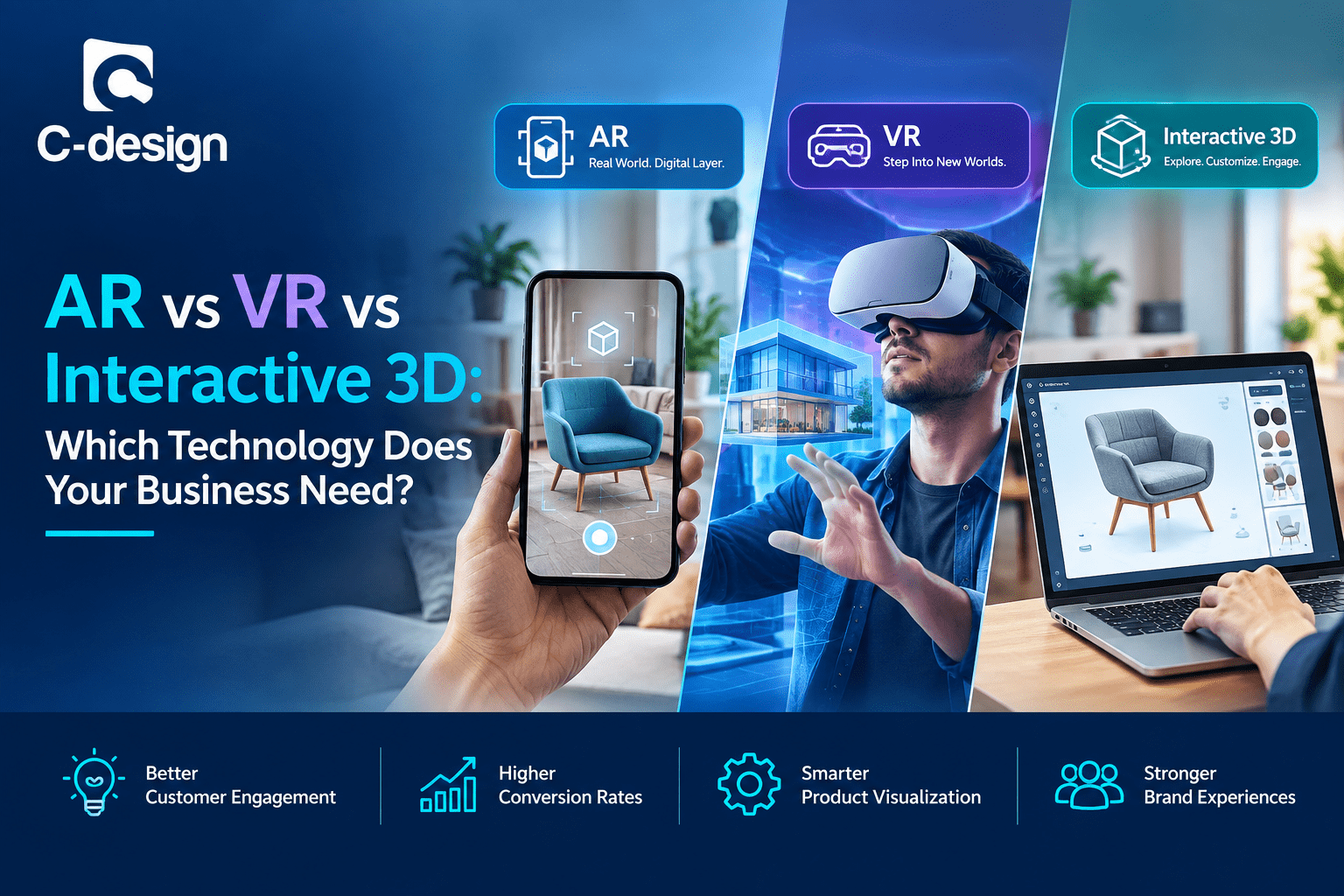
6. Augmented and Virtual Reality (AR/VR) Technology 🕶️
AR and VR are no longer just for video games; they are powerful marketing and visualization tools that are being leveraged by modern creative outsourcing firms.
- How It Works: An outsourcing firm can take a 3D model of a product and optimize it for an AR experience, allowing a customer to place a virtual version of the product in their own home. They can also create immersive VR experiences that allow a client to walk through a virtual building or showroom.
- The Benefit: This provides a level of interactive engagement that is impossible with a traditional image or video. For an e-commerce brand, AR increases customer confidence and reduces returns. For an architectural firm, a VR walkthrough can help a client fully visualize a space before it is built. An outsourced creative firm that is an expert in these technologies can provide a strategic advantage that goes beyond simple creative production.
Conclusion: The Future of Creative Work is Collaborative and Tech-Driven 🤝
The days of a single, siloed in-house creative department are over. The future of creative production is a dynamic, technologically-driven partnership between a brand and a specialist outsourcing firm. Modern technology is the engine of this revolution, providing the tools for seamless collaboration, unprecedented efficiency, and unparalleled creative quality.
For any business looking to innovate and stay competitive, embracing this new paradigm is a strategic imperative. The future of creative work is a powerful, symbiotic relationship between human creativity and technological efficiency. By partnering with an expert firm that leverages these modern tools, a brand can get a higher quality of work, at a lower cost, with unprecedented speed and transparency.
For any brand looking to stay ahead in a competitive market, the message is clear: the future of creative work is smart, it is efficient, and it is built on the power of modern technology. And for those looking for a partner that is leading the way, the choice is clear.
Related Blogs
Art assets in different styles like 2D art for interactive applications, Games, and UI. We are having more than 15 years of experience