The Future of Creative Outsourcing: AI, Automation and Human Designers
Posted on : Oct 13, 2026
Creative outsourcing is changing from a simple capacity solution into a smarter production model. Businesses no longer need to choose between fast delivery, lower costs, and high-quality creative work. With the right combination of AI tools, automation, and professional designers, they can achieve all three.
In 2026, brands must create more content than ever. They need campaign graphics, product images, social posts, 3D models, animations, VFX, presentations, AR/VR assets, localized versions, and interactive experiences. Managing that volume with a small in-house team can lead to missed deadlines, repetitive work, creative fatigue, and inconsistent brand output.
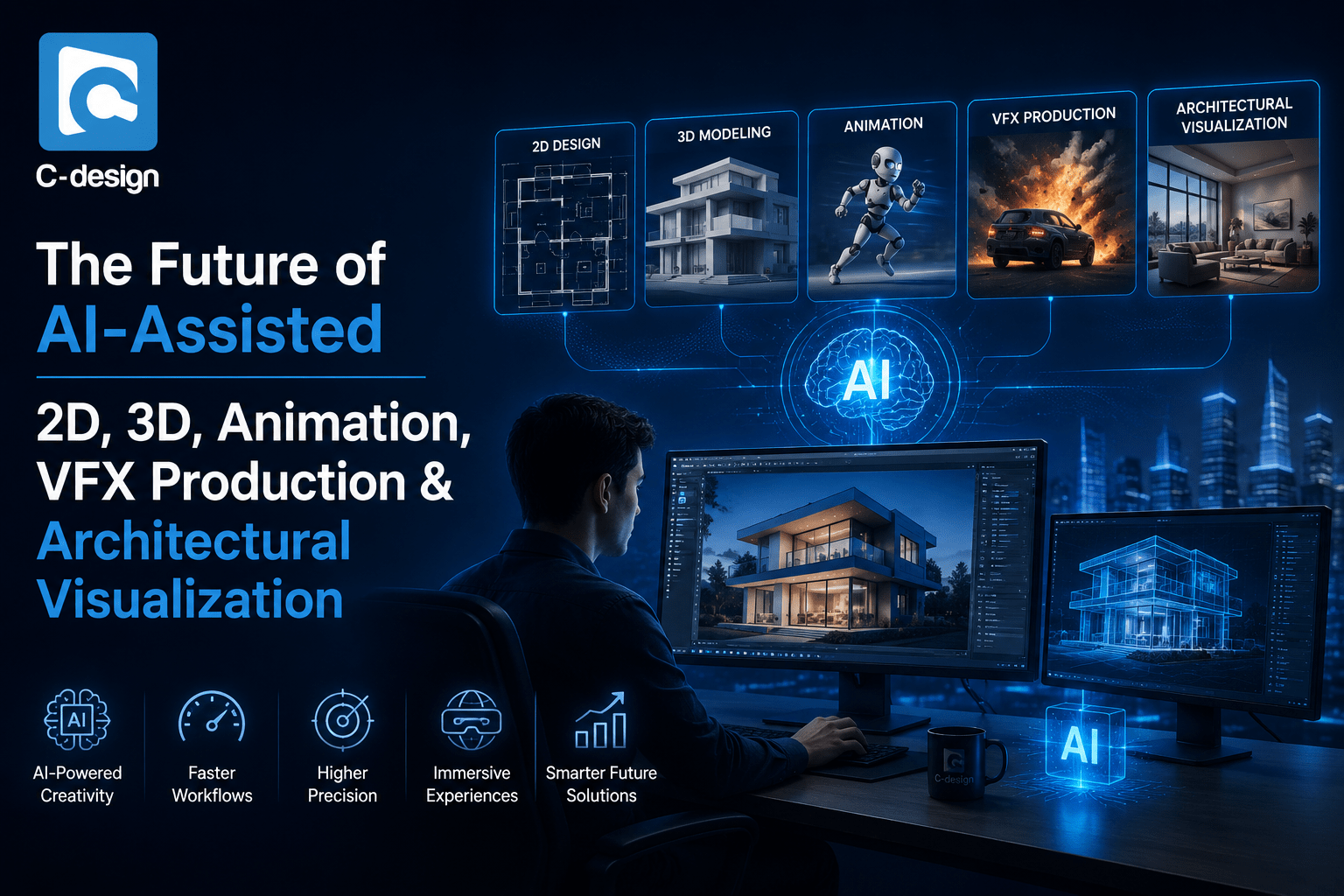
The future of creative outsourcing is not AI replacing people. It is AI and automation taking care of repetitive, high-volume production work while human designers focus on strategy, originality, emotional connection, technical judgment, and final quality. Outsource Creative Works helps businesses use this human-plus-technology model to scale 2D, 3D, animation, VFX, visualization, AR/VR, and interactive content production without building a large permanent in-house department.
Why Creative Outsourcing Is Evolving
Traditional creative outsourcing often meant sending a design brief to an external team and waiting for files to return. That model still exists, but modern creative outsourcing is more integrated. Today, a production partner can work as an extension of the internal marketing, product, design, or brand team.
The modern model connects people, systems, and technology. Internal teams provide business goals, product knowledge, brand standards, and approvals. AI tools support ideation, variation generation, asset adaptation, background removal, image cleanup, content tagging, and other repetitive tasks. Human designers interpret the brief, guide visual direction, refine outputs, solve complex problems, and protect brand quality.
This creates a more efficient workflow. Instead of asking in-house designers to produce every version of every asset manually, businesses can use automation for repeatable tasks and reserve human effort for work that requires expertise and judgment. Outsource Creative Works describes this as an AI-augmented workflow where automation handles high-volume production while human experts provide strategy, creative direction, refinement, and quality control.
What AI and Automation Can Do Well
AI and automation are powerful when used for tasks that are repetitive, rules-based, or variation-heavy. They can reduce production time, help teams explore more options, and improve consistency across large asset libraries.
Useful AI and automation applications include:
- Generating early concepts.
- Creating design variations.
- Resizing campaign assets for multiple channels.
- Background removal.
- Image enhancement.
- Color correction.
- Template application.
- Copy variations.
- Subtitle generation.
- Transcription.
- File tagging.
- Basic animation support.
- Asset search.
- Localization preparation.
- Quality checks for simple brand rules.
For example, a global campaign may need hundreds of formats: display ads, social posts, emails, banners, product cards, landing-page graphics, and localized versions. AI and workflow automation can apply templates, adapt dimensions, prepare variants, and organize files much faster than a fully manual process.
This does not make human designers less important. It removes repetitive production pressure and gives them more time to focus on stronger concepts, brand storytelling, customer experience, and final creative decisions. Outsource Creative Works describes AI as a creative co-pilot that accelerates workflows while human experts remain responsible for strategic vision and final refinement.
Why Human Designers Remain Essential
AI can generate options, but it does not reliably understand business context, emotional nuance, cultural meaning, client relationships, or the subtle visual choices that make a brand distinctive. Human designers bring taste, empathy, technical expertise, and judgment to creative work.
A professional designer can decide whether a visual feels premium or generic, whether a color choice fits a regional market, whether an illustration communicates the right emotion, whether a 3D product render is accurate, and whether a campaign concept supports the client’s commercial objective.
Human designers are also essential for complex problem-solving. They resolve visual inconsistencies, create original art direction, prepare technical production files, build accurate 3D assets, refine animation timing, integrate VFX, and ensure content works across different devices and platforms.
The most successful businesses therefore use AI as an assistant, not an unchecked decision-maker. Human designers set the creative direction, define the boundaries, evaluate generated options, correct issues, and approve the final result. This human-in-the-loop model protects quality while making production faster.
The Human + AI Creative Workflow
A strong AI-enabled creative workflow has clear roles at every stage.
- Brief and strategy: The business defines its audience, objective, brand standards, product requirements, campaign message, and success measures.
- Creative direction: Human designers interpret the brief, develop concepts, identify references, and establish the visual system.
- AI-assisted exploration: AI tools generate early variations, rough visuals, layouts, style directions, or production options that can be evaluated quickly.
- Professional refinement: Designers select the strongest direction, improve composition, edit details, correct errors, create final assets, and ensure brand consistency.
- Automation and scale: Systems generate required dimensions, versions, language variations, file structures, and channel-specific outputs.
- Quality assurance: Human reviewers check visual quality, brand compliance, technical specifications, accessibility, and final approval.
- Delivery and learning: Assets are published, performance is reviewed, and useful content is added to reusable libraries for future work.
This workflow is more reliable than AI-only production because it combines speed with accountability. It also makes outsourcing easier because the external team can follow clear briefs, templates, standards, and review checkpoints.
How AI Improves Productivity
Productivity does not mean asking designers to create more work every hour. It means reducing the time spent on low-value repetition so skilled people can focus on high-value creative decisions.
AI and automation can improve productivity by reducing manual resizing, repetitive visual variations, file naming, simple image cleanup, initial research, basic compositing tasks, and version management. A design team can then spend more time on campaign strategy, product storytelling, visual innovation, customer experience, and high-impact content.
For outsourced creative work, productivity also improves through better brief intake, shared libraries, automated approval routing, templates, asset tracking, and centralized feedback. Businesses can reduce delays caused by missing information, unclear revisions, or duplicated work.
Recent creative-production guidance emphasizes that teams scale content most effectively when AI, design software, and human specialists are connected through a managed system rather than treated as separate tools.
Reducing Production Costs Intelligently
AI and automation can lower production costs, but the goal should be intelligent cost reduction rather than simply producing cheaper content. Low-cost output that is off-brand, inaccurate, or unusable can create more expense through rework, delayed launches, poor customer response, and damaged brand perception.
A smarter cost model uses automation where it reduces repetition and uses human talent where expertise matters. For example, automated resizing can replace manual production work, while a senior designer still controls the master concept. AI can produce visual starting points, while an illustrator refines the final system. Automation can prepare product variations, while a 3D artist validates materials, proportions, and quality.
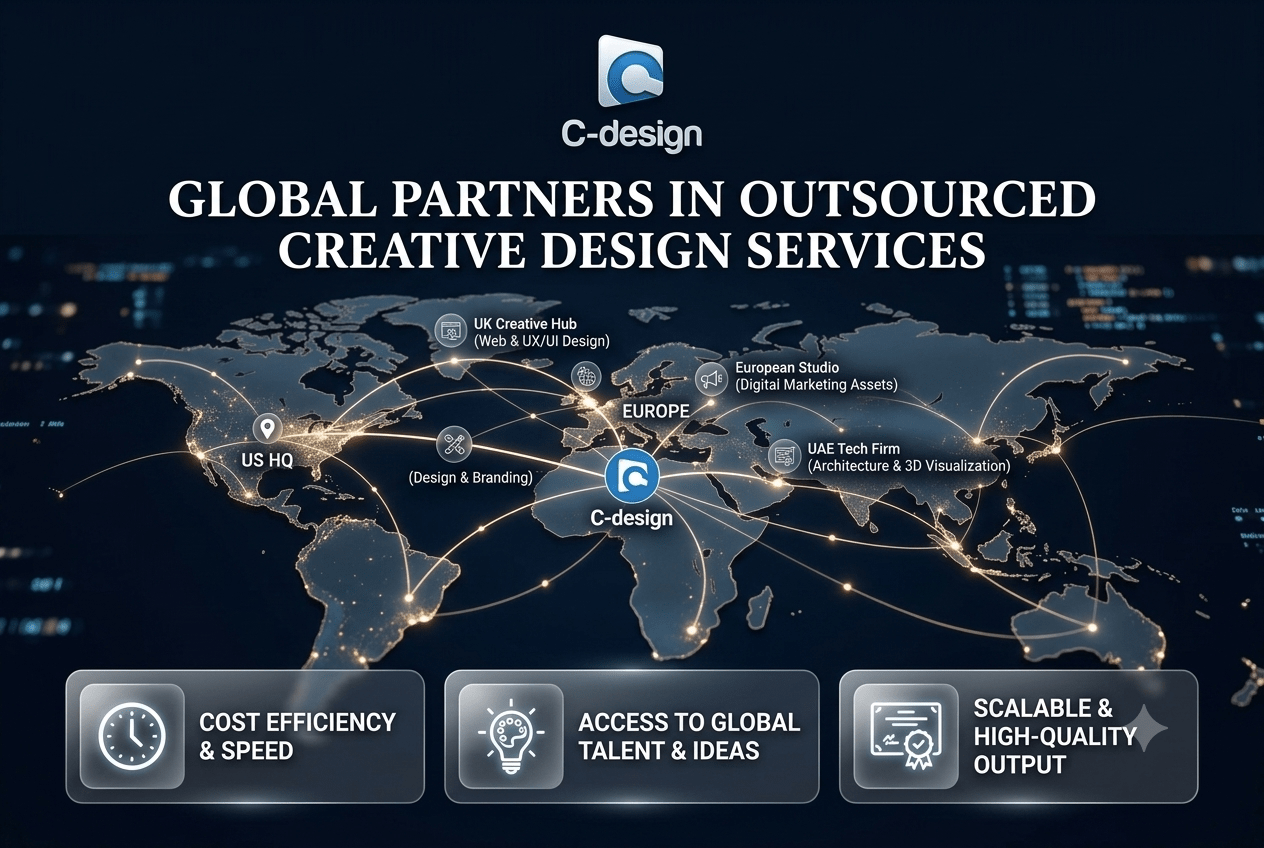
Outsourcing adds another layer of flexibility. Instead of hiring permanent specialists for every 2D, 3D, animation, VFX, and interactive requirement, businesses can access the right skills when needed. This turns some fixed operating costs into flexible project costs and helps companies manage seasonal demand, launches, and campaign spikes.
Scaling 2D Creative Production
2D content remains essential for modern businesses. Brands need graphics for websites, e-commerce, paid advertising, social media, email, packaging, presentations, and print. The challenge is that each campaign may require hundreds of asset versions.
AI and automation can help create templates, resize content, generate variations, remove backgrounds, apply brand elements, and prepare localization. Human designers ensure that the master concept is strong, the campaign remains visually coherent, and every final asset reflects the intended brand personality.
Outsource Creative Works can support scalable 2D production through illustration, campaign graphics, storyboards, social content, infographics, product visuals, presentation design, and creative adaptation. This helps businesses increase output while maintaining design consistency.
Scaling 3D, Visualization, and Product Content
3D content has become essential for product marketing, e-commerce, architecture, real estate, manufacturing, retail, and immersive experiences. A well-built 3D asset can support renders, product viewers, animation, AR, VR, configurators, training, and sales presentations.
AI can assist with early concept work, reference generation, rough asset creation, texture exploration, and asset variations. But professional 3D artists remain essential for accurate geometry, clean topology, UV mapping, realistic materials, scale validation, optimization, and platform-ready delivery.
Outsource Creative Works can combine AI-assisted speed with skilled 3D artists for product modeling, architectural visualization, rendering, animation, AR/VR, and interactive content. This allows businesses to build reusable digital assets without maintaining a full-time internal 3D studio.
Animation, VFX, and Immersive Content
Animation and VFX are highly specialized production fields. AI can support rough storyboards, motion suggestions, rotoscoping, lip-sync preparation, cleanup, and concept generation. But animation still relies on human timing, performance, storytelling, compositing, lighting, editing, and visual judgment.
The same is true for VFX. Automated tools may speed up masking, tracking, cleanup, or early effects exploration, but skilled artists are needed to ensure that the final shot matches perspective, lighting, physics, continuity, and narrative intent.
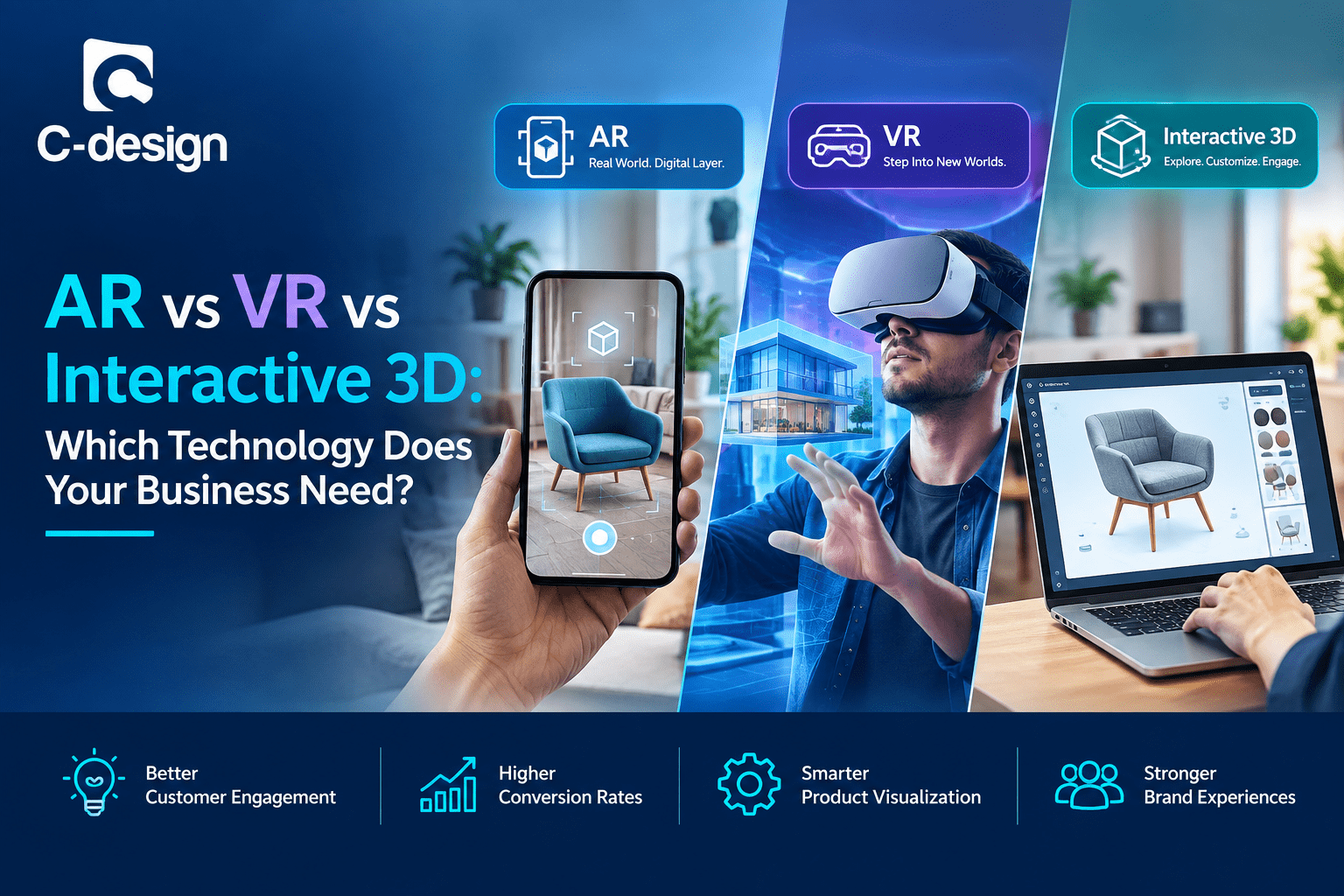
AR/VR and interactive content require both creative and technical quality. Assets must be correctly scaled, optimized, responsive, and easy for users to understand. Outsource Creative Works provides production support across animation, VFX, 3D, AR/VR, visualization, and interactive experiences, helping businesses access specialist capabilities without building every role in-house.
Maintaining Brand Quality at Scale
The main risk of high-volume creative automation is brand drift. When teams generate too many assets without clear standards, content can become inconsistent, generic, or disconnected from the brand.
Businesses can avoid this by creating a strong brand system. This should include approved logos, colors, fonts, image styles, product references, tone of voice, composition principles, templates, and examples of approved and rejected work.
Human designers should own the master visual system. Automation should apply that system consistently. Outsourced teams should work from the same guidelines, shared asset libraries, naming rules, and quality checklists.
A good approval process is also important. It should include early concept approval, mid-stage review for major projects, quality checks before delivery, and clear revision rules. This structure allows businesses to scale production without losing creative control.
How Outsource Creative Works Helps
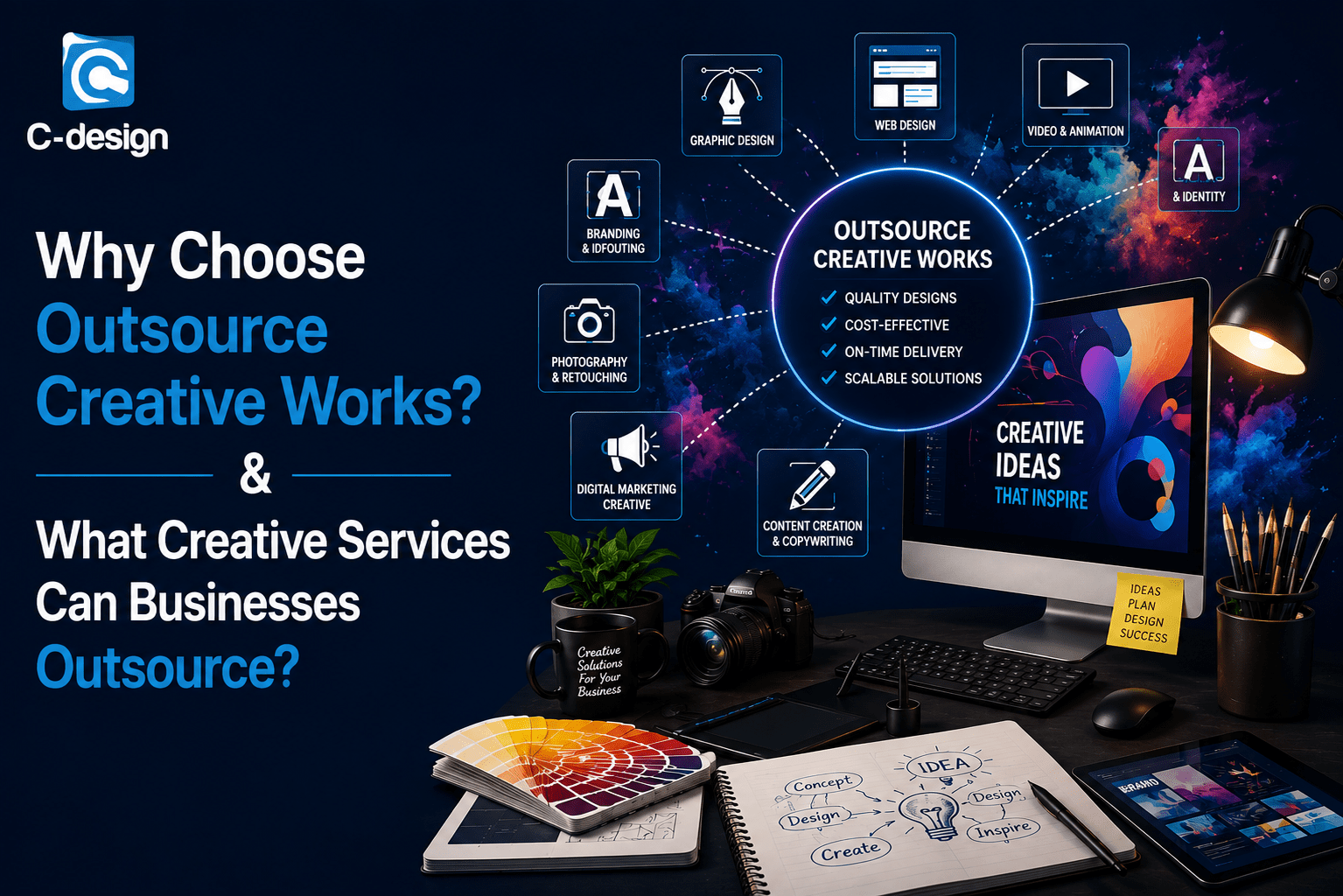
Outsource Creative Works helps businesses build a smarter creative production engine. Instead of choosing between internal teams, AI tools, freelancers, and traditional agencies, clients can access a flexible model that combines technology-enabled workflows with skilled creative professionals.
The company supports 2D design, illustration, 3D modeling, rendering, animation, VFX, architectural visualization, AR/VR, and interactive content. It can help businesses manage single projects, recurring campaigns, high-volume asset programs, product catalogs, and complex creative initiatives.
Key advantages include:
- Flexible production capacity: Add creative resources during campaigns, product launches, or high-volume asset requirements.
- Specialised talent: Access professional designers, 3D artists, animators, VFX specialists, visualisers, and interactive-content experts.
- AI-assisted efficiency: Use AI and automation for speed while keeping human experts responsible for final quality.
- Faster turnaround: Deliver more creative assets through structured production workflows.
- Quality-focused review: Use technical checks, creative review stages, and brand guidelines to maintain standards.
- Scalable multi-format content: Create assets for web, e-commerce, print, social media, animation, AR/VR, and interactive platforms.
- Reduced overhead: Scale production without expanding permanent in-house headcount.
Outsource Creative Works positions AI as a co-pilot that helps speed creative workflows while professional teams remain responsible for meaningful design, refinement, and quality control.
A Practical Outsourcing Framework
- Define the objective: Decide whether the business needs campaign volume, product visualization, social content, animation, 3D assets, immersive content, or a combination.
- Prepare the brief: Provide business goals, audience information, product references, brand guidelines, formats, deadlines, and examples of expected quality.
- Decide what to automate: Identify repetitive tasks such as resizing, template variations, asset adaptation, tagging, and basic cleanup.
- Define human decision points: Establish where designers, creative directors, product experts, and client stakeholders need to review and approve work.
- Start with a pilot: Test a campaign, product family, content batch, or short animation sequence before scaling.
- Build reusable systems: Create templates, asset libraries, material references, file naming rules, and QA checklists.
- Measure results: Track turnaround time, revision volume, content consistency, production costs, engagement, and internal time saved.
This process helps businesses use outsourcing as a strategic production model rather than a last-minute solution for overflow work.
The Future of Creative Outsourcing
The future of creative outsourcing will be defined by collaboration. AI will handle more repetitive tasks. Automation will make high-volume content production more efficient. Human designers will spend more time on strategy, concept development, art direction, refinement, and quality control.
Businesses that combine these strengths will be able to create more content, respond faster to market changes, personalize assets across channels, and access specialist talent without expanding fixed overhead. The winners will not be the businesses that remove people from the process. They will be the businesses that give skilled people better technology and more time to do their best work.
For brands, marketers, product teams, and agencies, this is an opportunity to build a more flexible, scalable, and innovative creative operation.
SEO Keywords
FAQs
1. What is AI-assisted creative outsourcing?
AI-assisted creative outsourcing combines AI tools, workflow automation, and professional designers to produce creative assets faster while keeping human experts responsible for creative direction, refinement, and quality control.
2. Can AI replace human designers?
AI can automate repetitive tasks and generate early variations, but human designers remain essential for strategy, originality, emotional connection, technical expertise, brand judgment, and final approval.
3. What creative tasks can be automated?
Tasks such as resizing, template adaptation, background removal, color correction, asset tagging, versioning, file organization, basic variations, and localization preparation can often be automated.
4. How does automation reduce creative production costs?
Automation reduces manual work on repetitive tasks, allowing businesses to use skilled designers for higher-value creative work. Outsourcing also provides flexible capacity without permanent hiring costs.
5. How can companies keep creative quality consistent when using AI?
Use clear brand guidelines, master templates, human creative direction, quality checklists, structured review stages, approved asset libraries, and final human approval.
6. Can AI and human designers work together in 3D and animation?
Yes. AI can support concepting, rough assets, motion preparation, rotoscoping, and variations, while human specialists handle accurate modeling, texturing, animation, compositing, optimization, and final quality.
7. How does Outsource Creative Works support AI-enabled production?
Outsource Creative Works combines AI-assisted workflows with professional designers, 3D artists, animators, VFX specialists, and global production support for scalable, high-quality creative delivery.
Call to Action
Create More. Deliver Faster. Keep Your Brand Human.
Your business does not need to choose between AI speed and human creativity. Outsource Creative Works combines automation, AI-enabled workflows, and skilled creative designers to help you scale content production while protecting quality, originality, and brand consistency.
From 2D campaign design and 3D product modeling to animation, VFX, visualization, AR/VR, and interactive content, our team can help you build a smarter creative workflow that grows with your business.
Ready to reduce production bottlenecks and scale creative delivery without increasing permanent headcount? Visit www.outsourcecreativeworks.com to request a consultation and discover how AI, automation, and human design expertise can work together for your next project.
Tags
Related Blogs
Art assets in different styles like 2D art for interactive applications, Games, and UI. We are having more than 15 years of experience