The Future of Outsourcing in the Creative Industry
Posted on : Aug 02, 2024
Introduction
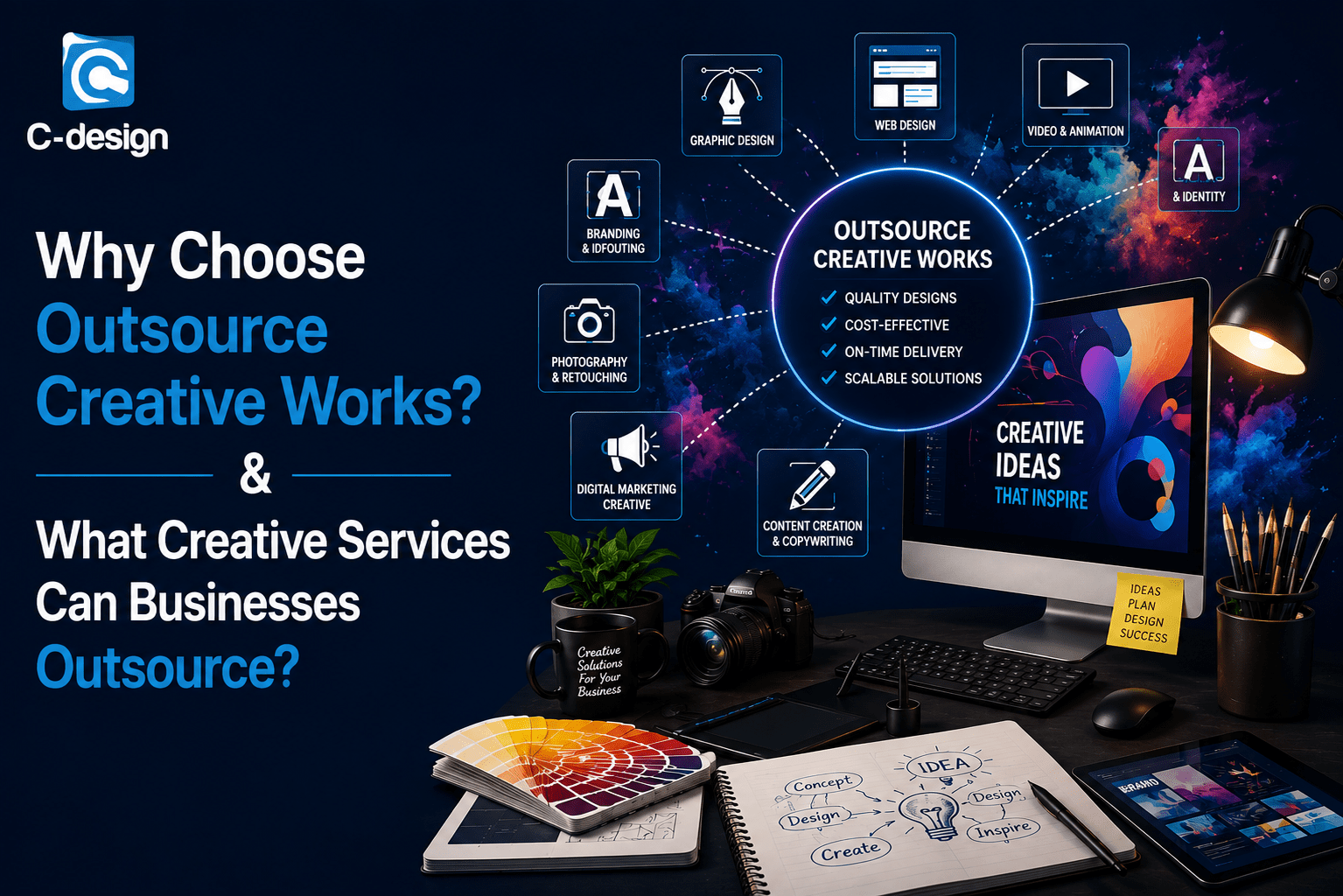
The creative industry is a vibrant and dynamic sector that encompasses everything from graphic design and animation to content creation and marketing. As the digital age continues to evolve, so too does the landscape of this industry. Outsourcing has become a vital strategy for many creative companies, allowing them to tap into global talent pools, reduce costs, and increase efficiency. Let’s dive into the future of outsourcing in the creative industry and see what lies ahead.
Current Trends in Creative Outsourcing
Rise of Remote Work
The shift to remote work, accelerated by the COVID-19 pandemic, has made outsourcing more accessible than ever. Companies have realized that talented individuals can contribute effectively from anywhere in the world, leading to a surge in remote collaborations.
Popularity of Freelance Platforms
Platforms like Upwork, Fiverr, and Behance have made it easier for businesses to find freelance talent. These platforms provide access to a vast array of skilled professionals who can take on short-term projects or offer specialized services.
Increasing Demand for Specialized Skills
As the creative industry becomes more complex, there is a growing demand for specialized skills. Outsourcing allows companies to bring in experts for specific tasks, ensuring high-quality results without the need for long-term commitments.
Benefits of Outsourcing in the Creative Industry
Cost-Effectiveness
Outsourcing can significantly reduce costs. Companies save on salaries, benefits, and overheads associated with in-house staff. This financial flexibility allows for investment in other critical areas of the business.
Access to Global Talent
By outsourcing, companies can access a global talent pool. This diversity brings in fresh perspectives and innovative ideas, enhancing the creative process.
Flexibility and Scalability
Outsourcing offers unparalleled flexibility. Companies can scale their workforce up or down based on project needs without the hassle of hiring or laying off employees.
Challenges of Creative Outsourcing
Quality Control
Maintaining quality can be challenging when working with external teams. Clear guidelines, regular check-ins, and thorough vetting processes are essential to ensure that outsourced work meets the desired standards.
Communication Barriers
Different time zones, languages, and cultural differences can lead to communication issues. Utilizing effective communication tools and establishing clear protocols can help mitigate these challenges.
Intellectual Property Concerns
Protecting intellectual property (IP) is crucial when outsourcing creative work. Companies must ensure that contracts clearly outline IP ownership and confidentiality agreements.
Technological Advancements Driving Outsourcing
Role of AI and Automation
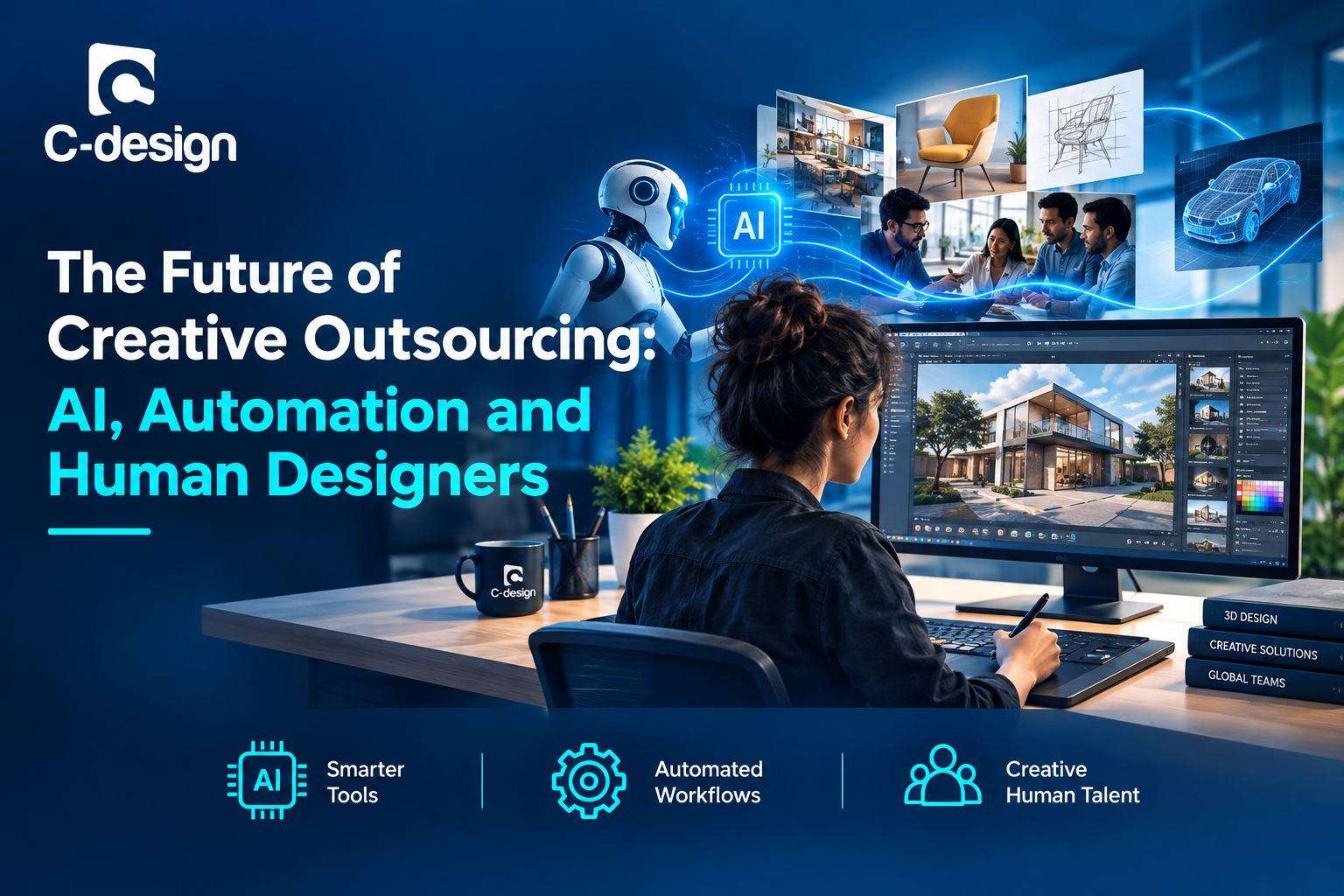
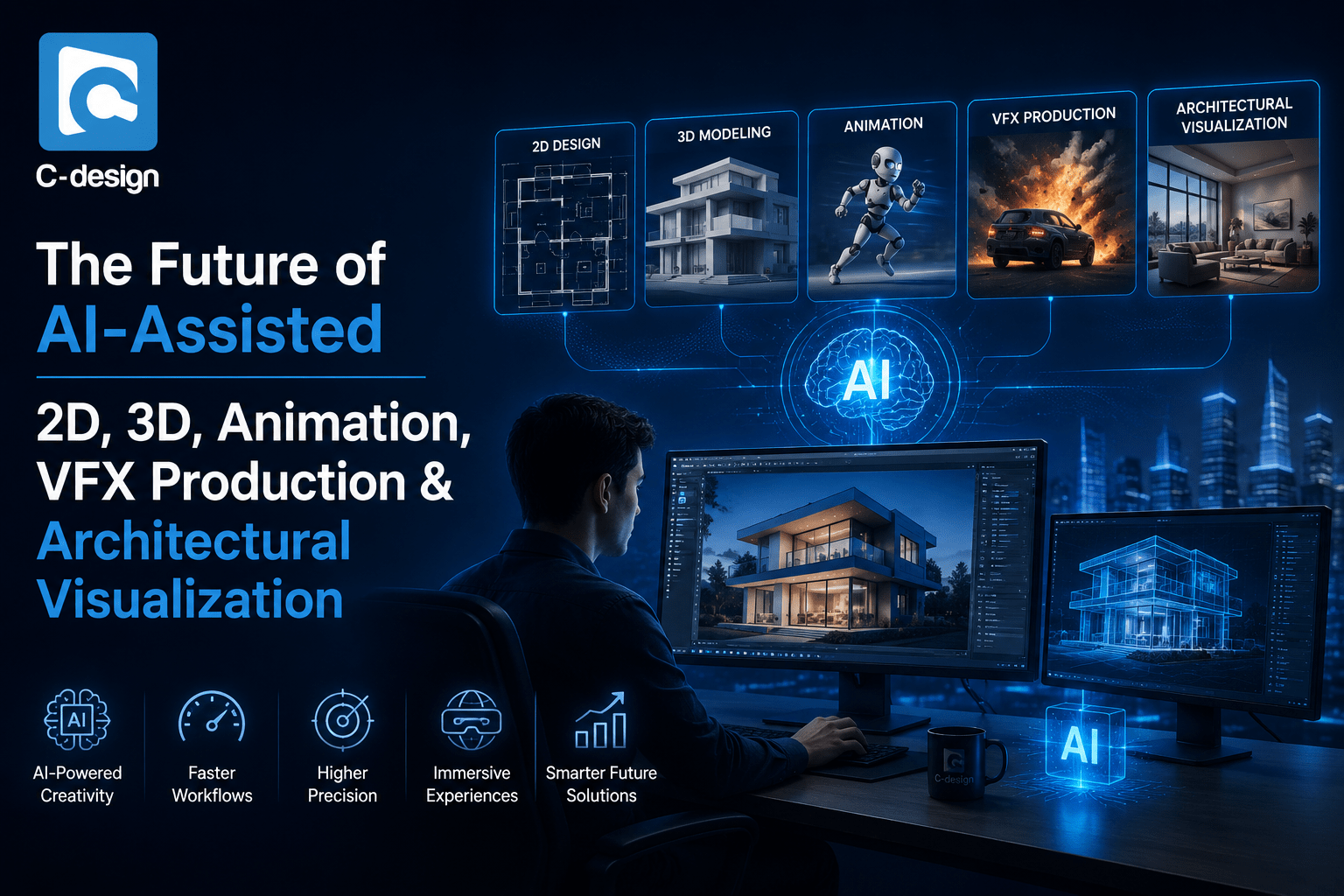
Artificial intelligence (AI) and automation are transforming the creative industry. Tools powered by AI can handle repetitive tasks, allowing creative professionals to focus on more strategic and innovative work.
Collaboration Tools and Software
Tools like Slack, Trello, and Asana facilitate seamless collaboration, enabling teams to work together efficiently, regardless of their physical locations. Real-time feedback and project management software ensure everyone stays on the same page.
Impact of High-Speed Internet and Cloud Computing
High-speed internet and cloud computing have made it easier to share large files and work on projects simultaneously. This technology is crucial for creative tasks that require collaboration on complex designs and large media files.
Case Studies of Successful Outsourcing
Example 1: Animation Studios
Animation studios like Pixar and DreamWorks often outsource parts of their projects to specialized firms worldwide. This allows them to manage costs and leverage diverse creative skills.
Example 2: Graphic Design Agencies
Graphic design agencies frequently collaborate with freelancers for specific projects. This approach enables them to offer a wider range of services and meet client demands without expanding their permanent team.
The Future Landscape of Creative Outsourcing
Emerging Markets and New Talent Pools
Countries like India, the Philippines, and Eastern European nations are becoming hotspots for creative talent. As these markets develop, companies can tap into a growing pool of skilled professionals.
Hybrid Models of Work
The future will likely see a blend of in-house and outsourced work. Hybrid models allow companies to maintain core teams while bringing in external experts as needed, offering the best of both worlds.
Integration of AR and VR in Creative Projects
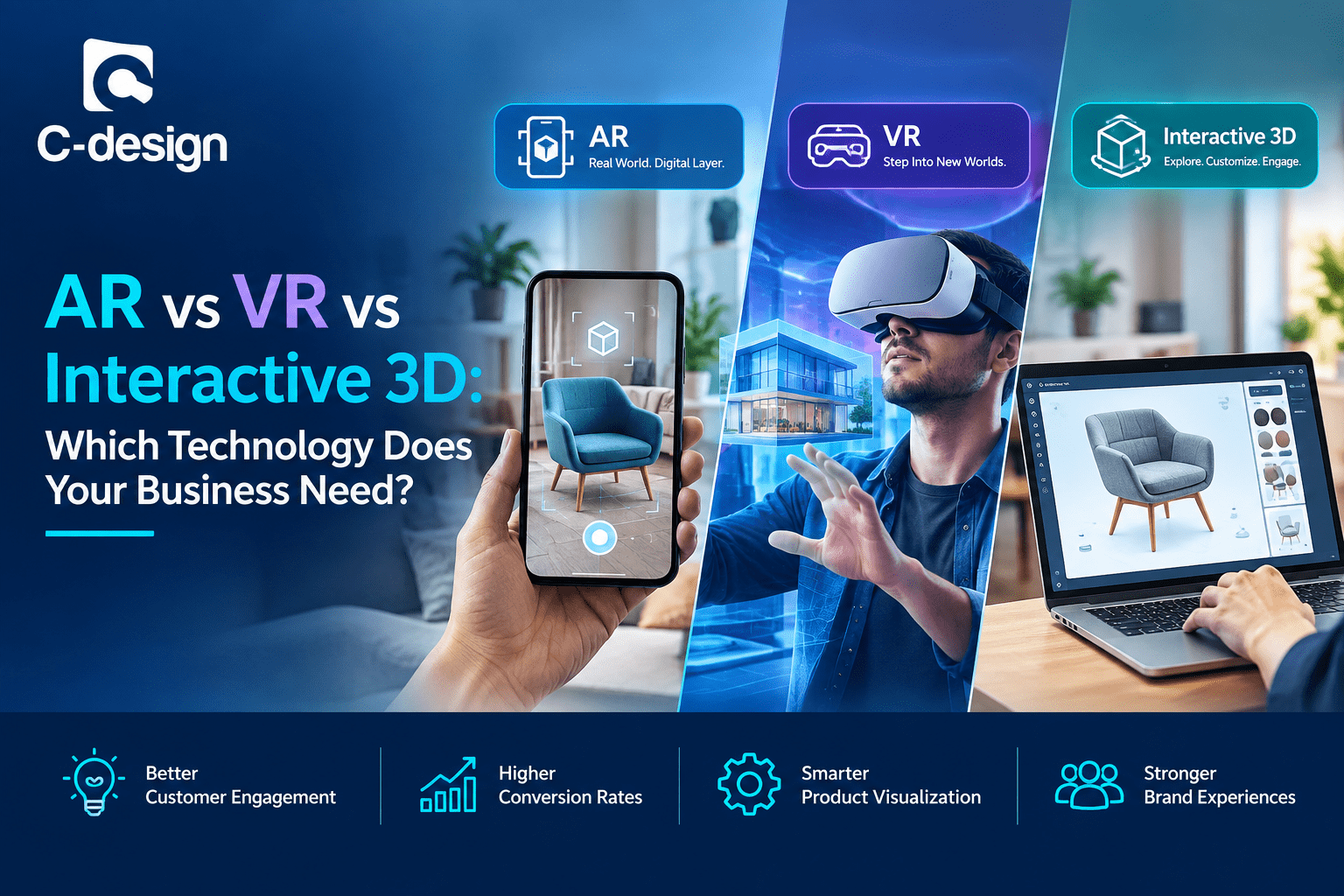
Augmented reality (AR) and virtual reality (VR) are set to revolutionize the creative industry. These technologies will open up new possibilities for immersive experiences, requiring specialized skills that can be sourced through outsourcing.
Best Practices for Effective Outsourcing
Choosing the Right Partner
Selecting the right outsourcing partner is crucial. Look for firms or freelancers with a proven track record, relevant experience, and strong communication skills.
Establishing Clear Communication Channels
Set up clear communication channels from the outset. Regular updates, video calls, and detailed briefs can help ensure that everyone is aligned and that the project progresses smoothly.
Ensuring Quality Through Regular Reviews
Implement a system for regular reviews and feedback. This helps catch any issues early and ensures that the final product meets your standards.
The Role of Agencies in Creative Outsourcing
Benefits of Working with Agencies
Agencies can provide a more structured and reliable approach to outsourcing. They often have teams with diverse skills and can handle larger, more complex projects.
Differences Between Agencies and Freelancers
While freelancers offer flexibility and often lower costs, agencies provide stability and a broader range of services. Choosing between the two depends on your project’s specific needs.
How to Select the Right Agency
Consider factors like the agency’s portfolio, client reviews, and expertise in your industry. A good agency will act as a partner, invested in your project’s success.
Ethical Considerations in Outsourcing
Fair Wages and Labor Practices
Ensure that your outsourcing partners pay fair wages and adhere to ethical labor practices. This not only supports global economic development but also reflects well on your brand.
Cultural Sensitivity and Inclusivity
Be mindful of cultural differences and strive to create an inclusive working environment. Respecting diversity can lead to more innovative and effective creative solutions.
Sustainable and Responsible Sourcing
Consider the environmental impact of your outsourcing practices. Opt for partners who follow sustainable practices and reduce their carbon footprint.
Impact of Outsourcing on the Creative Workforce
Job Opportunities and Economic Impact
Outsourcing can create job opportunities and stimulate economic growth in developing regions. It allows talented individuals to work with international clients and gain valuable experience.
Skill Development and Training
Outsourcing partners often invest in training and development, leading to a more skilled workforce. This benefits both the outsourced workers and the companies that hire them.
Balancing In-House and Outsourced Work
Maintaining a balance between in-house and outsourced work is crucial. While outsourcing offers many benefits, in-house teams provide stability and a deep understanding of the company’s culture and goals.
Predictions for the Next Decade
Increasing Reliance on Outsourcing
The reliance on outsourcing in the creative industry is set to grow. As technology continues to advance and global talent becomes more accessible, more companies will see the value in outsourcing specialized tasks to enhance their creative output.
Evolution of Outsourcing Roles
The roles within outsourcing will evolve to include more specialized and niche skills. For example, as augmented reality (AR) and virtual reality (VR) become more mainstream, the demand for experts in these fields will rise. Outsourcing will not just be about cost-saving but about accessing top-tier talent in emerging technologies.
The Future of Freelance Platforms
Freelance platforms will continue to innovate, offering better tools for collaboration and project management. We can expect more integrated systems that allow for seamless communication, real-time updates, and secure payment processes, making it easier for companies to manage their outsourced projects.
How to Stay Competitive with Outsourcing
Leveraging Technology and Innovation
To stay competitive, companies must embrace the latest technologies and innovative practices. This includes using AI for design automation, adopting VR and AR for immersive experiences, and utilizing advanced collaboration tools to streamline workflows.
Building Strong Relationships with Partners
Strong, trust-based relationships with outsourcing partners are essential. Regular communication, transparency, and mutual respect can lead to more successful collaborations and better project outcomes.
Continuous Learning and Adaptation
The creative industry is always evolving. Staying competitive requires a commitment to continuous learning and adaptation. This means keeping up with industry trends, investing in training, and being open to new ideas and approaches.
Potential Pitfalls and How to Avoid Them
Managing Time Zones and Schedules
Working across different time zones can be challenging. It’s important to establish overlapping working hours and use scheduling tools to manage deadlines and meetings effectively.
Ensuring Data Security
Data security is a major concern in outsourcing. Ensure that your outsourcing partners have robust security measures in place and use secure methods for data transfer and storage.
Avoiding Hidden Costs
Be aware of potential hidden costs in outsourcing, such as extra fees for revisions, additional work, or software licenses. Clear, upfront contracts and regular budget reviews can help avoid unexpected expenses.
Conclusion
The future of outsourcing in the creative industry is bright and full of potential. By leveraging global talent, embracing technological advancements, and implementing best practices, companies can maximize their creative output while remaining cost-effective. As the industry continues to evolve, staying competitive will require continuous learning, strong partnerships, and a commitment to innovation. Outsourcing is not just a trend but a strategic approach that, when done right, can lead to significant growth and success in the creative sector.
Related Blogs
Art assets in different styles like 2D art for interactive applications, Games, and UI. We are having more than 15 years of experience